RPE Explained: Why Smart Coaches Use It to Improve Results
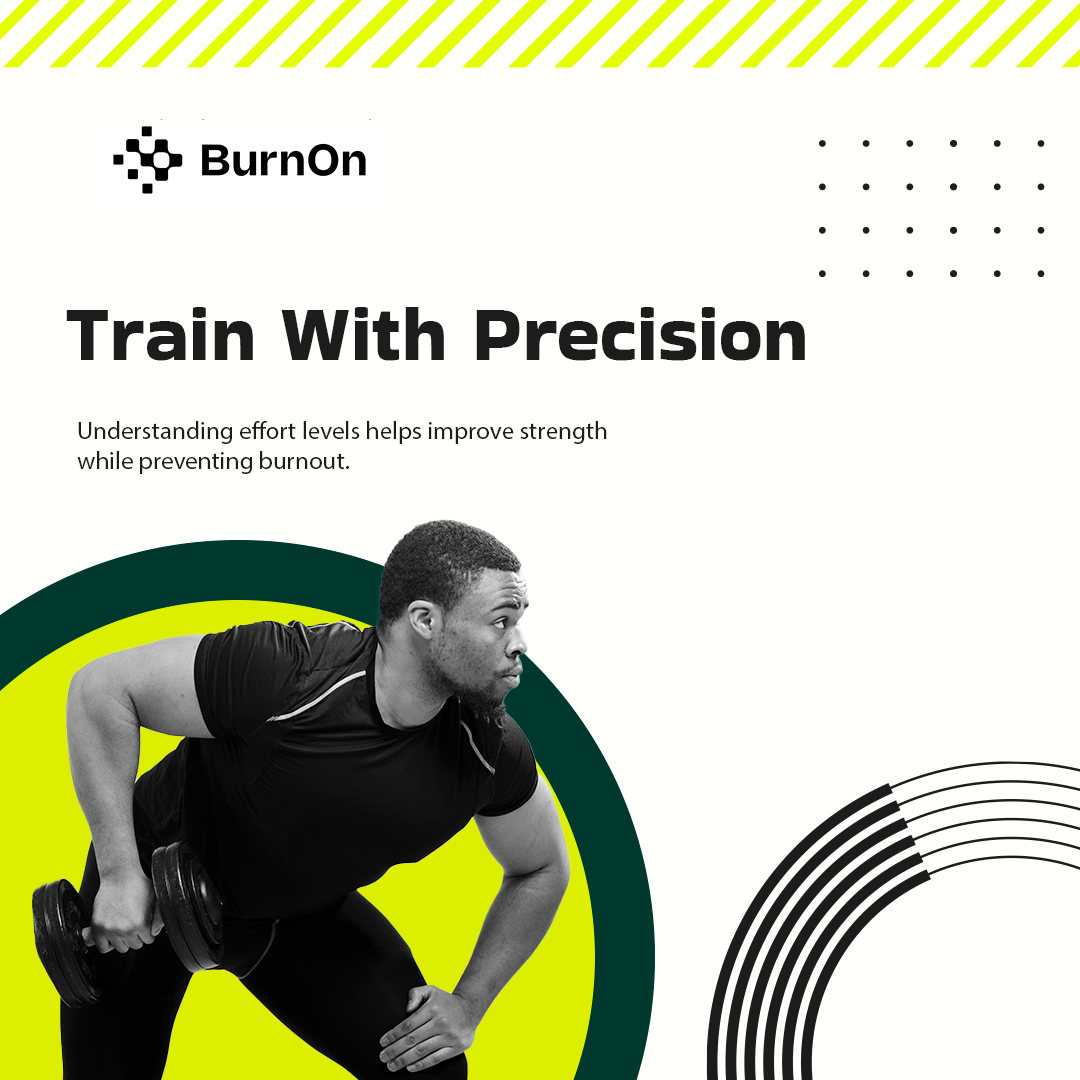
A Simple Tool That Makes Training More Accurate
Many coaches still assign weight and reps without asking how difficult a set actually feels for the client.
That works sometimes, but it often misses an important part of training: daily readiness.
A client may be able to complete the same exercise one day easily and struggle heavily the next day because of sleep, stress, fatigue, or recovery.
This is why many coaches use RPE, which stands for Rate of Perceived Exertion.
What RPE Means in Training
RPE helps describe how hard a set feels.
For example:
- RPE 10 means no reps left
- RPE 9 means one rep left
- RPE 8 means two reps left
So if a coach assigns a set of squats at RPE 8, the client should finish feeling like two more reps were possible.
This creates more accurate effort without forcing identical loads every day.
Why Coaches Use RPE Instead of Fixed Numbers Alone
A fixed weight does not always match a client’s recovery.
A set that felt easy last week may feel difficult this week.
RPE allows coaches to adjust effort while still keeping progression moving.
That usually leads to:
- better recovery
- smarter progression
- fewer plateaus
Why It Helps Long-Term Coaching
Clients also learn to understand effort better.
Instead of only chasing numbers, they begin learning how training should feel.
That improves communication between coach and client because effort becomes easier to describe.
BurnOn Makes RPE Easy to Use
BurnOn allows coaches to include RPE directly inside programming.
This helps clients understand target effort clearly while coaches track progress more accurately.
Over time this leads to stronger decisions in programming.
FAQ
What is RPE in simple terms?
It measures how hard a set feels based on reps left before failure.
Why do coaches use RPE?
Because recovery changes daily and fixed weights are not always accurate.
Is RPE useful for beginners?
Yes, especially once they understand basic effort levels.
Explore BurnOn and see how one platform can support personalized training, client accountability, and long-term coaching growth. Visit our website to learn more.